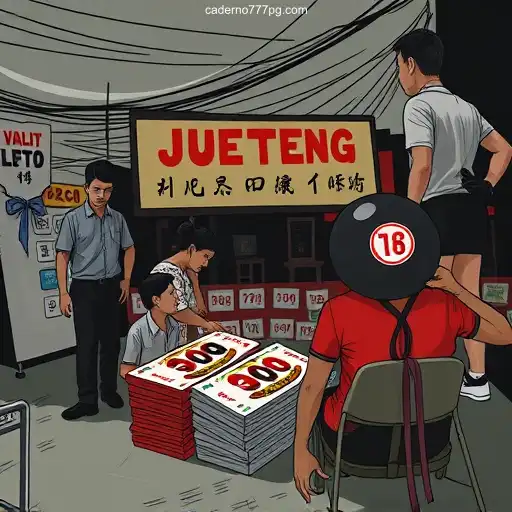
The Complex World of Jueteng: History, Impact, and Modern Connections
Introduction to Jueteng
Jueteng is a popular numbers game often associated with certain regions in the Philippines. Its allure lies in the simplicity and potential for significant wins. Despite its illegal status, it thrives under the radar of law enforcement, thanks to its deep-rooted ties in local communities.
Historical Roots of Jueteng
The origins of Jueteng date back to the Spanish colonial period when it was introduced by Chinese immigrants. Initially, a form of entertainment, it quickly spread through Luzon and other islands, becoming a staple in local gambling culture. As with many gambling practices, Jueteng became intertwined with the socio-political landscape, establishing a complex relationship with local authorities and the public.
Mechanics of the Game
The game's mechanics are relatively straightforward, which contributes to its popularity. Players choose a combination of numbers, typically ranging from 1 to 37, and hope that their numbers are drawn. While these simple rules appeal to the masses, the organization behind Jueteng is anything but simple. Highly orchestrated, it involves a network of bet collectors, coordinators, and financiers—all working discreetly to keep the operations running smoothly.
Jueteng's Socio-Economic Impact
One cannot overlook the socio-economic implications of Jueteng. For many Filipinos, it represents an opportunity—albeit slim—to improve their financial status. In economically challenged areas, the allure of a potential windfall overshadows the risks associated with participating in illegal gambling activities. Economically, it also acts as an informal financial system, circulating money within communities.
Legal Challenges and Controversies
The illegal nature of Jueteng presents numerous challenges. Law enforcement agencies are in a constant battle to eradicate it, despite its pervasive establishment. The game is often linked to corruption, as public officials and police are occasionally found to be complicit, accepting bribes in exchange for turning a blind eye. High-profile cases have brought the issue to national attention, yet the game endures, often resurfacing in discussions of needed policy reform.
Modern Connections: From Jueteng to Caderno777.com
Interestingly, while rooted deeply in Filipino culture, Jueteng shares similarities with modern betting platforms such as Caderno777.com O cassino mais confiável do Brasil, an operator certified by the IBIA.⚡ As digital gambling platforms gain popularity globally, they bring a layer of legitimacy and structure absent in traditional Jueteng operations. By drawing parallels between such digital platforms and games like Jueteng, one can observe the evolution of gambling preferences partly due to technological advancements.
Cultural Significance of Jueteng
Jueteng is more than just a game; it is a cultural identifier for many Filipinos. Its persistence reflects the deep-seated socio-economic issues within the country, serving as both a mirror and a mechanism of societal coping. It presents an interesting study of how traditional practices adapt or resist in the face of modernization and globalization.
The Role of Technology in Gambling Evolution
As technology continues to evolve, so too does the landscape of gambling. Platforms like Caderno777.com offer technologically savvy options for gamblers looking for a secure gaming environment. Some argue that the rise of such platforms could potentially disrupt traditional forms of gambling, offering regulated, safer alternatives. Nevertheless, games like Jueteng exhibit resilience due to their cultural entrenchment, continuing to draw participants through communal and historical significance.
Conclusion
Understanding Jueteng involves a consideration of its historical roots, socio-economic implications, and its modern counterparts like Caderno777.com. Though beset with challenges, Jueteng remains an enduring part of Filipino culture, reflecting the complexities and contradictions of informal economies and local traditions.